Stuck in the Wash Cycle: Twice As Nice, Or Will Once Suffice?
June 25, 2025

June 25, 2025

Washing Laundry Twice

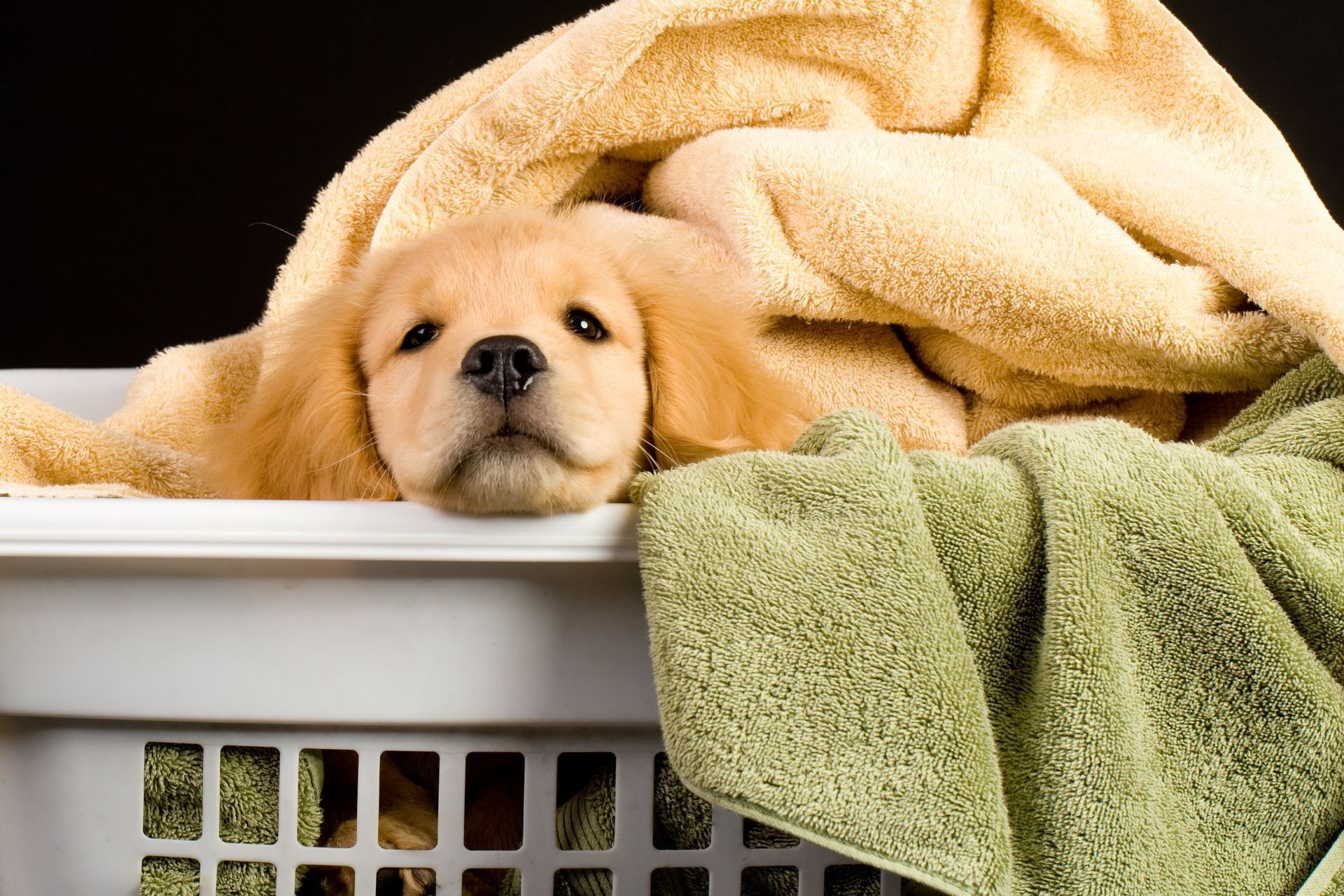
Golden retriever puppy in a laundry basket peeking out from under a tan towel with a green towel below.

In the world of veterinary medicine, certain practices and beliefs have been passed down through generations of professionals and become ingrained. One such practice is the notion of "washing it twice"—the idea that to ensure cleanliness and safety, certain items or surfaces should be washed not once, but twice. This mantra has become commonplace, particularly in situations where contamination is suspected, like dealing with potential pathogens such as parvovirus or leptospirosis. But where did this practice originate and, more importantly, is its effectiveness based on science?

Why do veterinary professionals believe in “washing it twice?”

Veterinarians and veterinary technicians often adhere to this principle out of instinct, without necessarily questioning origins or efficacy. It's a reflex response to the desire for thorough cleanliness, especially with potentially hazardous substances. Moreover, in fields like veterinary medicine where contamination can have dire consequences, we are naturally inclined toward extra caution. Washing a load of dirty laundry twice may feel like an added layer of protection, despite the lack of a scientific rationale. 

However, critically evaluating such practices, especially when they consume resources and time without clear benefits, is essential. In the case of washing laundry or surfaces twice, it's worth questioning whether the second wash truly adds any value beyond the first wash.

The question then arises—why do we believe that washing items twice is effective when no concrete evidence supports the notion? The answer lies in a combination of tradition, anecdotal evidence and, perhaps, a dash of superstition. Over time, the repetition has cemented this practice as a standard procedure in many veterinary settings, perpetuated by word of mouth rather than empirical data.

Does the theory behind “washing it twice” have any backing?

The absence of published papers or guidelines from authoritative bodies (i.e., the AVMA, CDC, or AAHA) endorsing the notion of washing items twice raises doubts about its validity. Without official or scientific backing, the practice becomes akin to a ritualistic belief—like knocking on wood—rather than a proven method of hygiene.

Why is the theory behind “washing it twice” a problem?

The absence of formal guidelines or published studies should prompt reassessment of our beliefs and practices. Something may have been done a certain way for years, but that doesn't necessarily mean it's the best or most efficient method.

In the absence of empirical evidence, the veterinary community must encourage and support research that investigates the efficacy of such practices. Without data-driven insights, we risk perpetuating myths and potentially wasting valuable resources on ineffective protocols.

Similarly, in other veterinary practice areas, such as inventory management, challenging unsubstantiated beliefs or practices is essential. The notion of a 10% variance in controlled substances, for instance, may be widely accepted among veterinary professionals, but without the support of concrete regulations or guidelines from the Drug Enforcement Administration (DEA), it remains a misconception that could lead to compliance issues and inefficiencies. 

How can we do away with the “washing it twice” theory?

So, where do we go from here? How do we navigate the murky waters of unsubstantiated beliefs in our professional practices? The first step is awareness. By acknowledging the lack of evidence supporting certain practices, we open the door to critical examination and potential improvement.

In the case of "washing it twice," veterinary professionals should consider reevaluating their cleaning protocols based on evidence-based practices rather than tradition alone. This may involve conducting studies to determine the most effective methods of decontamination or relying on guidelines established by reputable organizations like the AVMA, CDC, or AAHA.

The idea of "washing it twice" in veterinary practices may have persisted over time, but its effectiveness remains questionable in the absence of scientific evidence. It's time for the veterinary community to critically evaluate such practices and embrace evidence-based approaches to ensure the highest standards of cleanliness and safety for patients and practitioners. Let's leave superstition at the door and welcome a new era of informed decision-making in veterinary medicine.

To do anything well, you should do it right the first time. Ensuring a job is completed fully, accurately, and efficiently the first time conserves critical resources, time, and energy. For a medical-grade clean—the first time—contact our Veterinary System Services team to handle your hospital’s laundry.

veterinary relief staffing agency
February 27, 2026
If you want to learn more about the role of a veterinary relief staffing agency during high demand periods, here is a complete guide. Keep reading for more!
contract staffing
December 26, 2025
Read our blog to discover the six signs you might need contract staffing for your veterinary practice. If you need staffing services, call our team today.
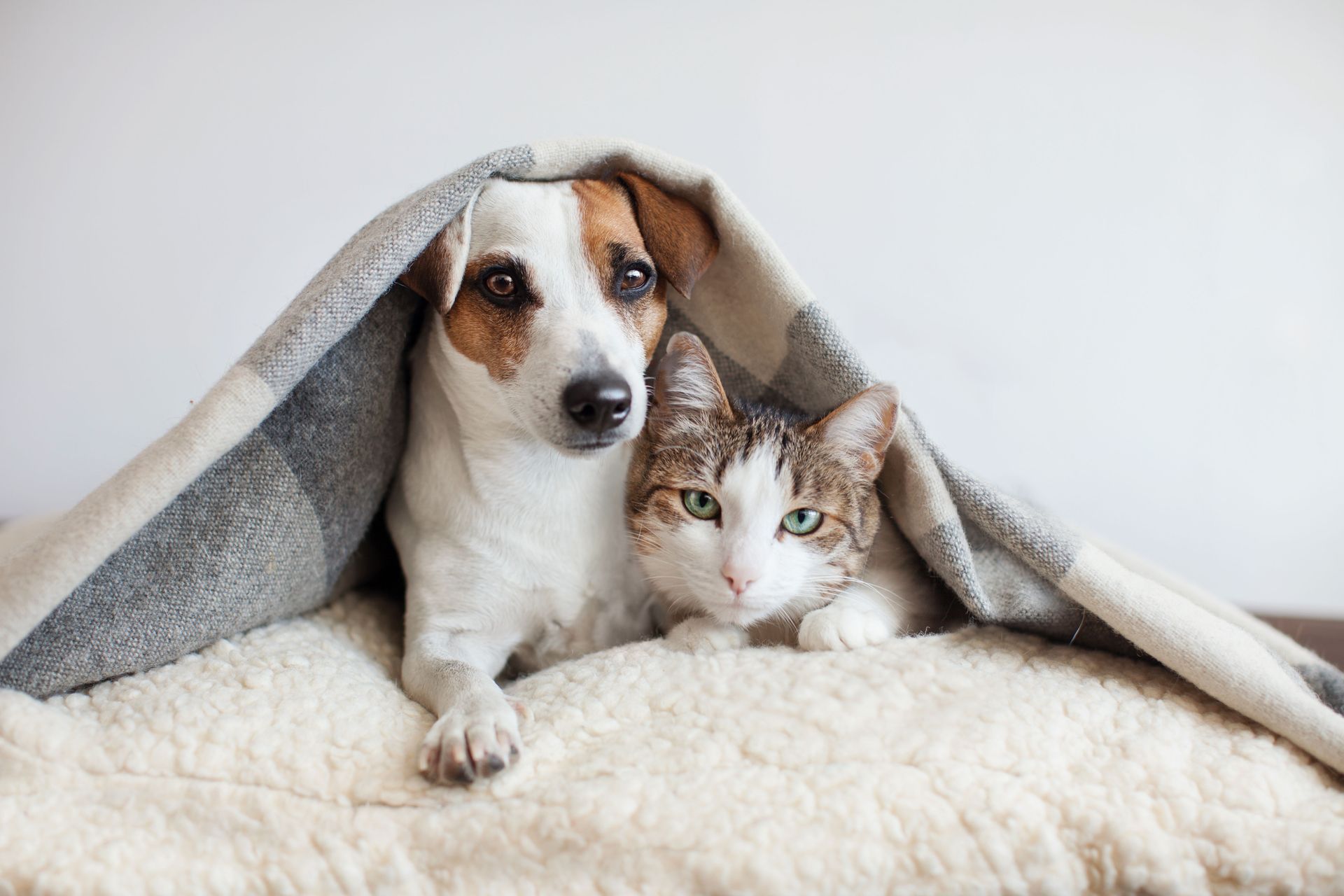
Dog and cat cuddled under a blanket on a bed. The dog looks curious, the cat is calm.
August 19, 2025
Veterinary technicians spend years in intensive training programs to become credentialed professionals. They entered the veterinary field to save lives, provide advanced nursing care, and make a difference for pets and their people. But, in practice, m any credentialed technicians are inappropriately utilized and spend their shifts cleaning kennels and washing, drying, and folding the never-ending pile of veterinary practice laundry. Surely, your team members did not sign up to be licensed laundry professionals. Although every job requires some cleaning, as the facility must remain clean and tidy to minimize disease spread, that shouldn’t be your techs’ main job. Laundry is a necessary evil, but what if you could reclaim that time? Here are five reasons why outsourcing your laundry with Veterinary System Services could be your practice's best decision this year. 1. Harness your team’s talents Credentialed veterinary technicians (CrVTs) are highly trained professionals with advanced nursing skills and invaluable experience. They undergo a rigorous education alongside veterinary students, and that deserves respect. Your CrVTs probably excel at cleaning, too, but that doesn’t mean it's a good use of their talents. Outsourcing your veterinary practice laundry frees up techs to do what they do best—provide excellent care to patients and clients. Your technicians can contribute to the practice’s financial health in other, far more productive ways, such as assisting in surgery, educating clients, tending to hospitalized patients, or keeping the veterinarian’s schedule moving. Plus, technicians who are utilized to the fullest extent of their licensed skills have more job satisfaction. 2. Save time and boost practice efficiency Laundry—which can seem never-ending—is time-consuming for team members, as they load, fold, sort, and restock. Consider what your practice could accomplish if laundry were taken off everyone’s plate—not only your veterinary technicians. Your staff could redirect their energy toward seeing more patients or providing better care. Outsourcing laundry improves overall practice efficiency and ensures you never run out of towels for wrapping patients or surgical gowns for that last-minute emergency procedure. 3. Eliminate hidden costs Doing your own laundry seems like a reasonable solution to help keep operational costs down—your team is already in the building, so they might as well throw in a load of laundry, right? However, doing it yourself has hidden costs: Water and electricity — Constant washing and drying can spike your utility bills. Maintenance — Frequently used washers and dryers need expensive routine repair or replacement. Productivity loss — The time your team spends doing laundry doesn’t generate revenue, while direct patient care does. Outsourcing your veterinary practice laundry is likely more cost-effective in the long run. Pricing is a predictable monthly fee with no surprises related to repairs or leaks. 4. Improve veterinary practice cleanliness Cleanliness in a veterinary practice is about aesthetics and safety. Clients judge a hospital by looks and smells, and maintaining high cleanliness standards protects pets and the community from infectious diseases. However, achieving hospital-grade cleanliness with in-house laundry might take more work than you think. Leaving your veterinary practice laundry to the professionals ensures that your linens meet the highest hygiene standards. Professional equipment, detergents, and disinfectants, plus procedures to reduce cross-contamination, provide a total sanitary environment. 5. Boost morale and retention Your team, especially CrVTs, may feel undervalued when they spend their time and talents on tasks that don’t align with their training and education. Overburdening technicians with non-clinical duties like laundry can lead to burnout and turnover. However, using an outside service for your veterinary practice laundry shows your team you respect their time and credentials, improving team morale and retaining top talent in your clinic. Outsourcing laundry isn’t only about convenience or cost. Using the Veterinary System Services laundry program prioritizes what truly matters—delivering exceptional care and creating a respectful work environment where all your team members can thrive. Contact us to learn more about professional laundry services and give your team the break they deserve!
Show More →